 pauline
Stay informed on key technology updates affecting computer users. Understand crucial advancements in hardware, software, security, and AI for better digital life.
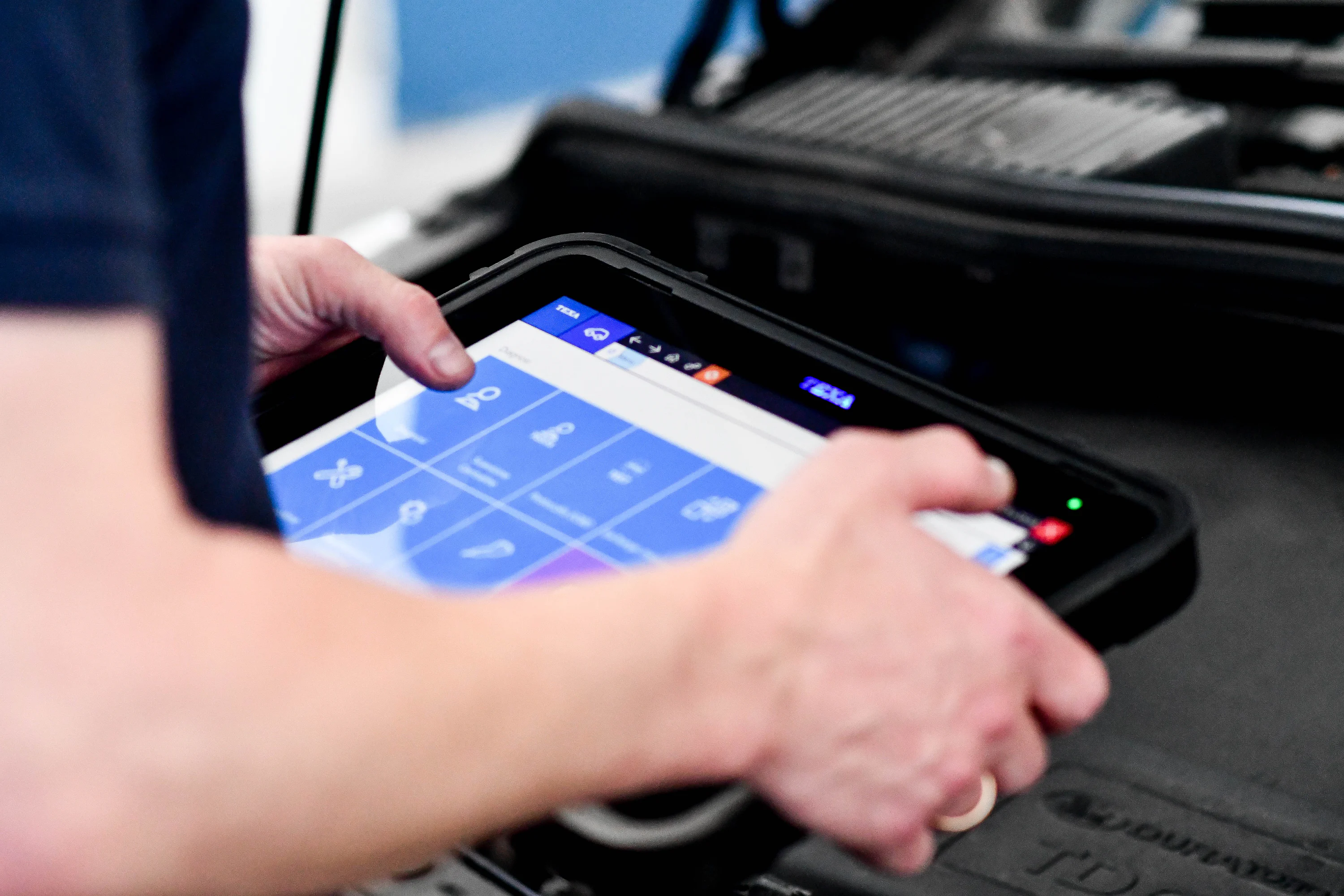
Keeping up with technology updates is essential for anyone who uses a computer. These changes affect performance, security, and how we interact with our devices daily. From the latest processors to new operating system features, understanding what truly matters helps users make informed decisions and maintain an efficient, safe digital environment.
Overview
- Staying informed about technology updates is vital for optimizing computer performance and security.
- Hardware advancements, including CPUs, GPUs, and storage, significantly impact processing speed and efficiency.
- Software technology updates bring new features, improved user interfaces, and crucial bug fixes for operating systems and applications.
- Cybersecurity remains a top concern, with ongoing technology updates providing stronger protections against evolving threats and privacy breaches.
- Emerging technologies like AI and advanced connectivity (Wi-Fi 7, 5G) are redefining how computers function and integrate into our lives.
- Regularly evaluating these updates helps users decide when to upgrade or adapt their computing habits to benefit from new capabilities.
Core Hardware and Performance Technology Updates
The engine room of any computer, its hardware, sees constant innovation. Major processors, like those from Intel and AMD, release new generations yearly. These technology updates often mean more cores, higher clock speeds, and better power efficiency. For users, this translates directly into faster program loading, smoother multitasking, and improved performance for demanding tasks like video editing or gaming. Graphics processing units (GPUs) also advance rapidly. Modern GPUs not only render visuals but increasingly handle complex computations, particularly in AI and scientific applications. Upgrading a GPU can drastically change a computer’s capability.
Storage solutions have also undergone significant shifts. Solid-state drives (SSDs) are now standard, replacing slower traditional hard drives. Recent NVMe SSDs connect directly to the motherboard, offering incredible read and write speeds. This dramatically reduces boot times and application loading. Memory (RAM) continues to get faster and more efficient, with DDR5 becoming prevalent. More RAM supports more simultaneous applications without slowdowns. Energy efficiency is another area seeing major strides. Newer components consume less power, leading to cooler-running machines and longer battery life for laptops. This focus on efficiency benefits both the user experience and environmental impact.
Software Evolution and User Experience
Operating systems are the backbone of our digital experience, and their continuous evolution brings significant user benefits. Major releases from Windows, macOS, and Linux distributions regularly introduce new features, security patches, and interface refinements. These technology updates often streamline workflows, improve accessibility, and offer deeper integration with cloud services. For instance, recent Windows updates have focused on AI integration within productivity apps and enhanced gaming performance. macOS iterations introduce new ways to manage windows, share content, and connect with other Apple devices.
Beyond the operating system, countless applications receive frequent updates. Web browsers get faster, more secure, and support new web standards. Productivity suites integrate new AI features to assist with writing or data analysis. Even minor app updates can fix bugs, improve stability, and subtly refine the user interface. Cloud computing services also see constant innovation, offering more storage, faster access, and expanded features for collaboration and data management. These software advancements collectively create a more responsive, intuitive, and feature-rich computing environment, directly impacting daily productivity and enjoyment.
Cybersecurity and Privacy Technology Updates
In an interconnected world, cybersecurity technology updates are paramount. The threat landscape evolves constantly, with new malware, phishing schemes, and ransomware attacks emerging regularly. Software vendors, operating system developers, and antivirus companies release critical updates to patch vulnerabilities and enhance protective measures. Neglecting these updates leaves systems exposed to potential breaches. Modern antivirus software uses advanced heuristics and machine learning to detect zero-day threats, moving beyond simple signature matching. Firewalls, both hardware and software, are also regularly updated to better scrutinize network traffic.
Data privacy is another area of intense focus. Regulations like GDPR and emerging laws in the US emphasize user control over personal data. Technology updates reflect this trend, with operating systems offering more granular privacy controls for apps and location services. Browsers include enhanced tracking prevention. Virtual Private Networks (VPNs) are becoming a standard tool for many users, and VPN providers frequently update their services to improve encryption protocols and server infrastructure. Staying informed about these security and privacy advancements is crucial for safeguarding personal information and maintaining digital integrity.
Artificial Intelligence and Connectivity Advancements
The integration of Artificial Intelligence (AI) into personal computing is rapidly changing what our devices can do. AI-powered tools now assist with everything from image recognition and natural language processing to predictive text and smart search functions. Operating systems are beginning to incorporate AI directly into their core functionalities, making everyday tasks more intuitive. For example, AI can optimize power usage, personalize user interfaces, and even assist with complex creative projects. This trend means computers are becoming more proactive and helpful, learning from user behavior to anticipate needs.
Alongside AI, advancements in connectivity are reshaping our digital lives. Wi-Fi 7 is on the horizon, promising significantly faster speeds and lower latency than its predecessors, ideal for high-bandwidth applications like 4K streaming and virtual reality. The rollout of 5G cellular networks continues, offering high-speed mobile internet that rivals wired connections, enabling truly portable high-performance computing. The Internet of Things (IoT) also continues to expand, with more devices connecting and interacting. These connectivity technology updates blur the lines between traditional computing and a seamlessly integrated digital ecosystem, offering users greater flexibility and power.


