 pauline
In today’s fast-paced business environment, the ability of organizations to embrace and integrate new technologies is not merely an advantage but a fundamental requirement for survival and prosperity. The relentless pace of technological advancement means that what is cutting-edge today can quickly become obsolete tomorrow. For businesses, this necessitates a proactive approach to technology adaptation, ensuring they remain relevant, efficient, and capable of meeting evolving customer demands. Without this agility, organizations risk falling behind competitors, losing market share, and struggling to attract top talent. Effective technology adaptation involves more than just purchasing new software or hardware; it requires a systemic shift in organizational culture, processes, and employee skill sets.
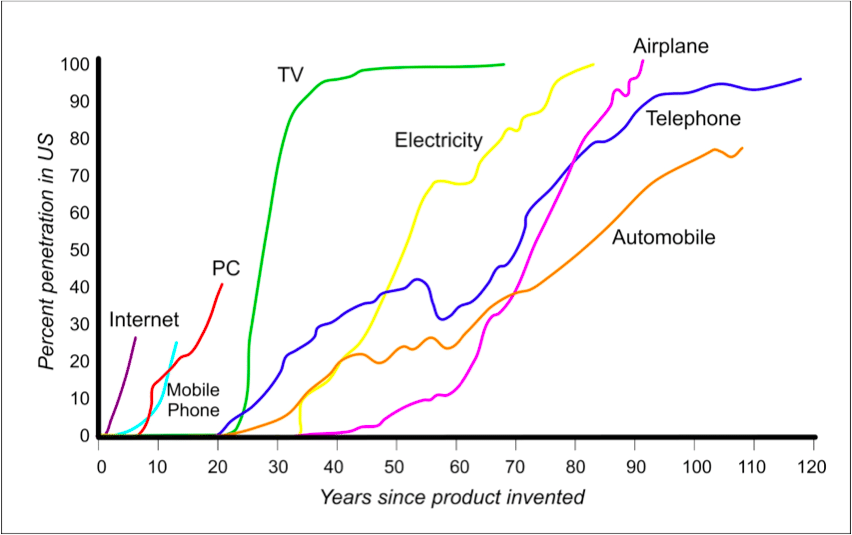
Why Proactive Technology Adaptation is Essential for Organizational Growth
Staying ahead in a competitive landscape hinges significantly on an organization’s capacity for technology adaptation. This isn’t just about keeping up; it’s about positioning the business for sustained expansion and market leadership.
- Maintaining Market Relevance: Consumer expectations and market dynamics are constantly shaped by new technologies. Organizations that adopt modern tools and platforms can better understand customer needs, deliver personalized experiences, and create new value propositions. For example, the rise of e-commerce platforms and digital marketing tools has fundamentally altered how businesses in the US reach their customers. Those that embraced these early gained significant advantages.
- Gaining a Competitive Edge: Early adopters of beneficial technologies often gain a first-mover advantage, allowing them to optimize operations, introduce novel services, or reduce costs before rivals catch up. This strategic edge can be critical for securing market position and revenue growth.
- Attracting and Retaining Talent: Modern professionals seek workplaces that are forward-thinking and equipped with the latest tools. A commitment to technology adaptation signals an innovative culture, making an organization more attractive to skilled individuals and helping to keep current employees engaged and productive. Obsolete technology can be a significant deterrent for prospective employees.
- Mitigating Risks of Obsolescence: Ignoring technological shifts can lead to outdated systems, security vulnerabilities, and compatibility issues. Proactive technology adaptation helps organizations avoid these pitfalls, securing their data and ensuring smooth operations against emerging threats and system failures.
How Effective Technology Adaptation Drives Operational Efficiency
The right technological tools, when properly integrated, can significantly streamline operations, reduce waste, and improve overall productivity. This direct impact on efficiency is a primary driver for technology adaptation in many organizations.
- Automating Repetitive Tasks: Many routine business processes, from data entry to customer service inquiries, can be automated using AI, machine learning, and robotic process automation (RPA). This frees up human employees to focus on more complex, strategic tasks that require critical thinking and creativity.
- Improving Data Management and Analysis: Advanced analytics tools and cloud-based data platforms enable organizations to collect, store, and process vast amounts of information more effectively. This leads to deeper insights into business performance, customer behavior, and market trends, allowing for data-driven decision-making.
- Streamlining Communication and Collaboration: Collaboration software, video conferencing, and project management platforms enable seamless communication among team members, regardless of their geographical location. This fosters better teamwork, speeds up project delivery, and reduces miscommunication, particularly important in distributed workforces.
- Optimizing Resource Allocation: Predictive analytics and enterprise resource planning (ERP) systems help organizations forecast demand more accurately, manage inventory, and allocate resources efficiently. This reduces waste, cuts operational costs, and improves supply chain reliability.
The Role of Continuous Technology Adaptation in Fostering Innovation
Innovation is the lifeblood of progress, and technology adaptation acts as its powerful catalyst. Organizations that consistently integrate new technologies are better positioned to develop new products, improve services, and create new business models.
- Enabling New Product and Service Development: Emerging technologies often present opportunities for creating entirely new offerings or significantly improving existing ones. For instance, advancements in virtual reality (VR) and augmented reality (AR) are opening new avenues for training, entertainment, and remote assistance.
- Facilitating Experimentation and Prototyping: Modern development tools and cloud infrastructure allow organizations to rapidly prototype, test, and iterate on new ideas with lower costs and risks. This agile approach to innovation encourages creativity and reduces the time-to-market for new solutions.
- Cultivating a Culture of Continuous Improvement: An organizational commitment to technology adaptation naturally fosters an environment where employees are encouraged to learn, experiment, and question existing methods. This mindset is crucial for continuous improvement across all facets of the business.
- Opening New Revenue Streams: Sometimes, technology adaptation doesn’t just improve existing operations but creates entirely new ways for an organization to generate income, whether through new digital services, data monetization, or platform-based business models.
Implementing a Successful Framework for Technology Adaptation
Successful technology adaptation is not a haphazard process; it requires a structured and deliberate approach. Organizations need a clear framework to guide their efforts, minimize disruption, and maximize the benefits of new technologies.
- Conduct a Needs Assessment: Begin by evaluating current technological capabilities, identifying pain points, and understanding strategic business goals. What problems can new technology solve? What opportunities can it create? This initial analysis helps prioritize adaptation efforts.
- Develop a Clear Strategy and Roadmap: Based on the assessment, create a detailed plan for technology adaptation. This should include specific technologies to adopt, timelines, budget allocations, potential risks, and measurable success metrics. Align this roadmap with the overall organizational strategy.
- Invest in Workforce Training and Development: Technology is only as good as the people who use it. Provide comprehensive training programs to equip employees with the skills needed to operate new systems effectively. Emphasize continuous learning and support for skill development to ensure sustained technology adaptation.
- Implement Pilot Programs and Phased Rollouts: Instead of immediately deploying new technology across the entire organization, consider starting with pilot programs in smaller departments or teams. This allows for testing, gathering feedback, and making necessary adjustments before a broader rollout, reducing risks and improving acceptance.
- Foster a Culture of Openness and Communication: Encourage employees to embrace change and provide channels for feedback regarding new technologies. Transparent communication about the benefits and challenges of technology adaptation can help mitigate resistance and build enthusiasm.
- Monitor, Evaluate, and Iterate: Technology adaptation is an ongoing process. Regularly monitor the performance of new systems, evaluate their impact against established metrics, and be prepared to make adjustments. The technological landscape is always evolving, requiring organizations to remain agile and willing to iterate on their strategies.


