 pauline

Stay updated on essential new computer features changing the tech landscape. Learn about AI, security, and performance advancements. What’s next for PCs?
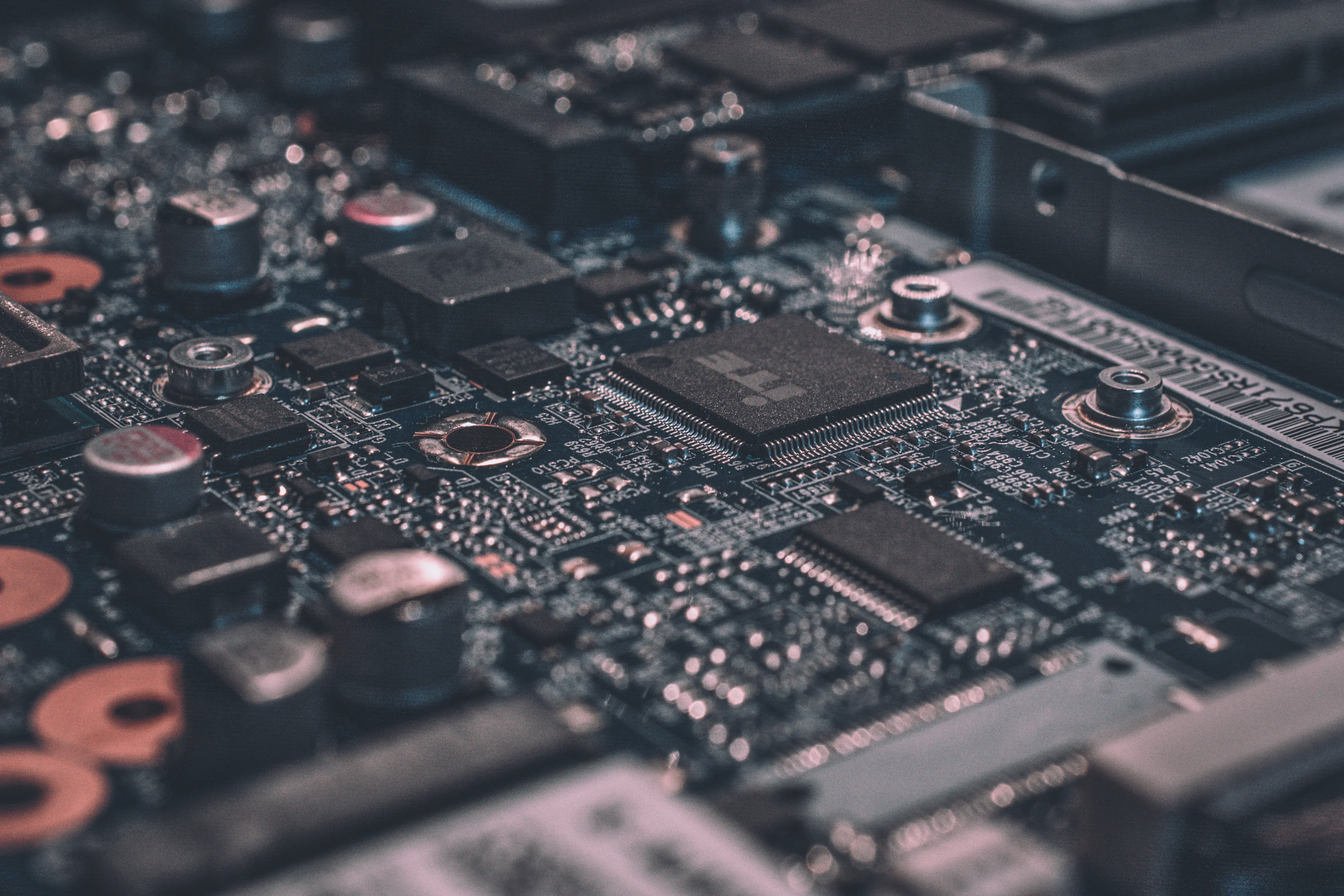
The landscape of personal computing evolves rapidly, bringing advancements that redefine how we work, play, and interact with our devices. Staying informed about the latest innovations is key, especially as these technologies become more integrated into daily life. From smarter processors to more secure operating systems, understanding what’s new helps users make informed choices.
Overview:
- Modern computers integrate AI accelerators (NPUs) for local, efficient processing of AI tasks.
- Security measures are advancing with features like hardware-based authentication and enhanced data encryption.
- Connectivity sees upgrades through Wi-Fi 7 and Thunderbolt 5, offering faster data speeds.
- Display technologies improve with OLED, mini-LED, and variable refresh rates for better visuals.
- Ergonomics and sustainability are guiding design choices in current computer models.
- Operating systems are getting smarter, with AI-powered search and improved multitasking.
- Many new computer features aim to boost productivity and streamline workflows.
- Hybrid processors combine performance and efficiency cores for diverse workloads.
- The US market shows strong adoption of these cutting-edge computing capabilities.
AI Accelerators and Smart New Computer Features
Artificial intelligence is no longer just a cloud-based service; it is moving directly onto our devices. Central to this shift are Neural Processing Units (NPUs), dedicated silicon designed to handle AI workloads efficiently. These NPUs accelerate tasks like real-time language translation, advanced image editing, and smart video conferencing directly on your computer. This local processing means less reliance on internet connectivity and improved privacy, as sensitive data remains on your device. Many modern CPUs, especially those from Intel and AMD, now include integrated NPUs as a standard component.
This dedicated hardware frees up the main CPU and GPU for other tasks, leading to better overall system performance and energy efficiency. For example, editing photos with AI-powered tools or running AI chatbots locally becomes much smoother. The US tech industry is heavily invested in developing more powerful and versatile NPUs. These new computer features are setting a standard for future software development, prompting developers to create AI-centric applications that leverage this on-device intelligence. Users benefit from quicker responses and more sophisticated AI functionality without needing a constant internet connection.
Revolutionizing Productivity with New Computer Features
Productivity tools are seeing significant updates, making daily tasks more efficient and intuitive. Operating systems are incorporating more AI-driven assistance, from smarter search functions that understand context to predictive text that adapts to your writing style. Multitasking has been refined, with features allowing seamless window management and quick access to frequently used applications. Collaborative tools are also evolving, providing more robust real-time editing and communication capabilities. These improvements are particularly beneficial for remote and hybrid work models, which have become prevalent.
Beyond software, hardware innovations also support productivity. Faster storage technologies, such as NVMe SSDs, drastically reduce load times for applications and files. Increased RAM capacities and improved memory management allow users to run more demanding programs simultaneously without slowdowns. Battery life is also a key focus, with new power-efficient components and software optimizations extending usage times. These new computer features ensure that users can maintain high levels of output throughout their workday, whether in an office or on the go. The goal is to minimize friction and maximize creative output.
Enhanced Security and Privacy Solutions
Computer security has never been more critical, and recent advancements offer stronger protection for data and personal information. Hardware-level security features are becoming standard, including Trusted Platform Modules (TPMs) that encrypt sensitive data and verify system integrity upon boot-up. Biometric authentication, such as fingerprint readers and facial recognition, provides convenient yet robust login methods, reducing reliance on easily compromised passwords. These integrated solutions make it harder for unauthorized users to gain access to your device.
Operating systems are also implementing stricter privacy controls. Users now have more granular control over what data applications can access, from location services to microphone and camera permissions. Regular security updates and patches are delivered more frequently, addressing vulnerabilities quickly. Enhanced browser security features help protect against phishing attempts and malicious websites. These collective efforts create a safer computing environment. For businesses and individuals alike, these security and privacy measures provide peace of mind in an increasingly connected world.
Next-Gen Displays and Ergonomic Innovations
Display technology continues its rapid advancement, offering users incredibly vibrant and detailed visual experiences. OLED and Mini-LED screens are becoming more common, delivering deeper blacks, higher contrast ratios, and more accurate colors than traditional LCDs. High refresh rates, once primarily for gaming, are now appearing in mainstream laptops and monitors, making scrolling and everyday interactions feel much smoother. Resolution improvements, including 4K and even 8K displays, provide sharper images and more screen real estate for productivity tasks.
Beyond visual fidelity, ergonomic design is also a significant area of focus. Manufacturers are creating slimmer, lighter devices without compromising performance. Keyboards offer better tactile feedback and more comfortable layouts for extended typing sessions. Trackpads are larger and more precise, supporting multi-touch gestures. Devices are also designed with sustainability in mind, using recycled materials and energy-efficient components. These advancements improve user comfort and reduce environmental impact.


